The day
After the dawn prayer on the tenth of Muharram 61 AH, Imam Husayn (a) drew up his small force — around seventy-two men — and rode out to address the army of Kufa, reminding them of who he was and of the letters they had written. Hurr b. Yazid, who had first blocked the Imam's road, left the Kufan ranks that morning and joined him. The fighting began with a general assault in which many of the companions fell; the rest went out one or two at a time, none of them letting the enemy near the Imam while they lived.
By afternoon only the family remained. Ali al-Akbar (a) was the first of Banu Hashim to be martyred; then the sons of Aqil, of Imam Hasan (a) and of Umm al-Banin; then Abbas (a), martyred at the river's edge. The Imam went out last, wounded many times, and was finally surrounded, struck down and beheaded. His body was trampled by horsemen, the tents were looted and burned, and the survivors — the sick Ali b. al-Husayn (a), Zaynab (a) and the women and children — were taken captive.
Why it matters
Karbala is the defining event of Shia memory. The Imam refused allegiance to Yazid because he judged the Umayyad rule to be a betrayal of Islam; his stand, and the price paid for it, became the model of resistance to injustice and the emotional heart of the faith. His grandson Imam al-Sadiq (a) taught that every day is Ashura and every land is Karbala.
How it is observed
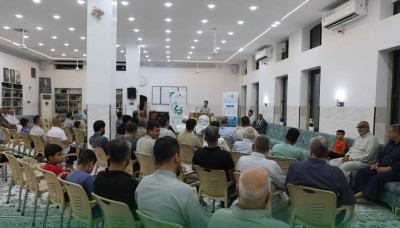
Ashura is the culmination of the ten days of Muharram: majalis, processions, the recitation of the maqtal (the narrative of the martyrdom), and Ziyarat Ashura. Millions visit the shrine in Karbala; it is a public holiday in Iran, Iraq, Pakistan, Afghanistan, India and elsewhere.
Written for Shia Online Community. Dates and facts are checked against the references listed below; where the tradition records more than one date, all are given.