Two Fatimiyyas
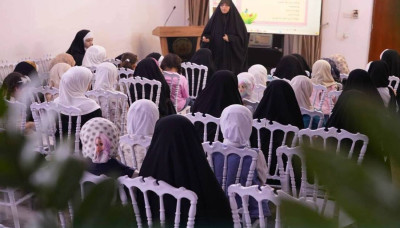
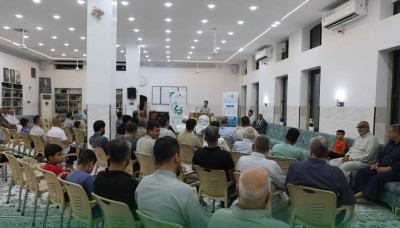
Shia sources agree that Fatima (a) was martyred in the year 11 AH, within months of her father's passing, but they transmit different intervals: seventy-five days, which gives 13 Jumada al-Ula, or ninety-five days, which gives 3 Jumada al-Thani. Iraqi communities, especially Najaf, keep both (and a third), while Iran keeps the two; the second is generally held the more reliable and is a public holiday in Iran. The days around each date are known as the Fatimiyya, when black is worn and majalis are held as in Muharram.
What happened
After the Prophet's (s) passing Fatima (a) refused allegiance to the caliphate chosen at Saqifa, defended her husband's right in the sermon of Fadak, and was injured when armed men came to her house to compel Ali's (a) allegiance. Weakened by grief and her injuries, she was martyred in Madinah at about eighteen years of age, having asked that none who had wronged her attend her funeral. Ali (a) washed and buried her at night with a handful of companions, and the place of her grave has never been known.
Why it matters
For the Shia her passing is a martyrdom and the first great injustice after the Prophet (s). This entry marks the first narration; the history is continued on the page for 3 Jumada al-Thani.
Written for Shia Online Community. Dates and facts are checked against the references listed below; where the tradition records more than one date, all are given.